



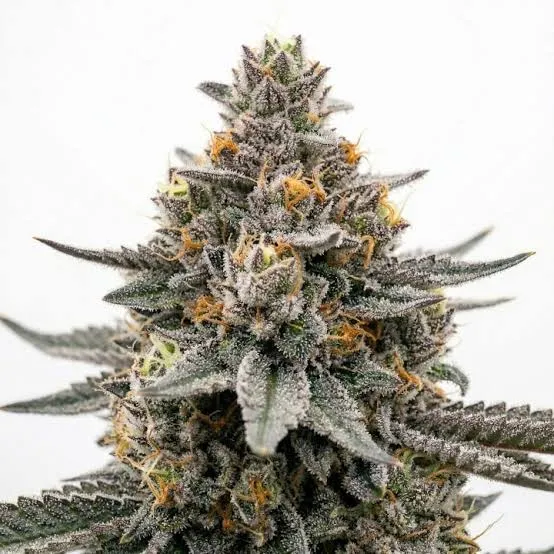
A named cannabis variety may attract interest because of its reported structure, flavor profile, or popularity, but a successful hydroponic grow still depends on system design and plant management. The cherry lemon strain should be evaluated through reliable genetic information, available space, root health, and the grower’s ability to maintain a stable reservoir. A strain name cannot compensate for weak oxygenation, incorrect concentration, poor sanitation, or abrupt environmental changes.
Verify the Plant Source
Popular names can be used inconsistently, so buyers should ask how the nursery tracks mother stock and labels clones. A rooted plant should be clearly identified and described by stage, approximate size, and general growth habit. Claims about exact yield, height, aroma, or effects should be treated cautiously.
The plant should also be inspected for stable roots, an intact stem, active growth, and visible signs of pests or damage. Hydroponic preparation cannot correct a plant that arrives severely compromised.
Choose a Suitable System
Deep-water culture, drip systems, ebb-and-flow setups, and other hydroponic methods manage water and oxygen differently. The grower should choose a system that matches available space, experience, maintenance time, and backup capacity.
A complex system is not automatically better. Beginners often benefit from a setup they can clean, measure, and understand. Pumps, tubing, reservoirs, air stones, and drains should be accessible for inspection.
Test Equipment Before the Plant Arrives
Run the system with plain water to identify leaks, weak circulation, timer problems, or unreliable aeration. Check that electrical connections remain dry and secure. A backup plan for pump or power failure is also important because roots can be affected quickly when oxygenation stops.
Measure water temperature, room temperature, humidity, and light conditions. Correct instability before the clone is introduced.
Understand the Starting Water
Tap water may contain minerals and alkalinity, while filtered water may contain very little. Record the initial pH and conductivity before adding nutrients. This baseline helps the grower interpret the final solution accurately.
Water quality can influence which supplements are necessary. Avoid adding products based on assumptions when the starting water has not been evaluated.
Select a Complete Feeding Program
When choosing weed hydroponic nutrients, look for a complete base formula designed for the selected system. The label should provide mixing order, stage guidance, and concentration recommendations. A simple program is easier to reproduce and troubleshoot.
Do not combine several unrelated nutrient lines. Overlapping ingredients can create imbalances, and the grower may not know which product caused a symptom.
Mix Components Correctly
Concentrated parts should generally be diluted in water separately and in the recommended order. Undiluted products should not be poured together. Use clean measuring tools, mix thoroughly, and record every amount.
After mixing, measure the final pH and conductivity. Allow the solution to stabilize before making repeated corrections.
Begin Conservatively with a New Clone
A newly received clone usually needs a gentler feeding level than an established plant. Consider the nursery’s previous routine, root size, and plant condition. High concentration does not guarantee faster development and may damage young roots.
Watch the plant and the reservoir together. Leaf posture, root color, solution level, pH, conductivity, and new growth provide a fuller picture than one measurement.
Protect Root-Zone Oxygen
Roots require oxygen to function. Air stones, pumps, and circulation equipment should operate reliably. Warm water holds less dissolved oxygen, so reservoir temperature matters.
Inspect roots regularly for unusual color, texture or smell. A root problem may create leaf symptoms that appear nutritional even when the formula is correct.
Maintain Cleanliness
Reservoirs, tubing, trays, and tools should be cleaned according to the system’s needs. Remove residue and inspect for blockages or unwanted biological growth. Clean hands before handling roots or system components.
Sanitation is part of nutrition management. A dirty system can interfere with uptake and make diagnosis difficult.
Plan Space and Lighting
The plant’s expected structure should fit the room. Measure height after accounting for the reservoir, lid, fixture, and safe light distance. Leave enough floor space for branching, airflow, and maintenance access.
Acclimate the clone gradually to the final light intensity. Nursery plants may be sensitive to sudden exposure. Several strong changes at once can create avoidable stress.
Track the Reservoir Daily
Record solution volume, pH, conductivity, temperature, and visible root condition. A rising concentration while the water level falls may indicate that water is being used faster than nutrients. Large pH changes may point to an unstable root zone or mixing issue.
Records reveal trends that a single reading cannot show. They also help the grower reproduce successful conditions.
Introduce Supplements Carefully
Boosters, enzymes, microbes, and flowering additives may be useful in some programs, but they increase complexity. Add optional products only after the base system is stable and their purpose is understood.
Introduce one change at a time. If the plant reacts poorly, the cause will be easier to identify.
Match Reservoir Size to Daily Maintenance
A small reservoir can change quickly as the plant uses water, while a larger volume may remain more stable but requires more space and solution. The grower should choose a size that can be monitored and changed safely. Access for cleaning, measuring, and inspecting roots is more important than fitting the largest container possible into the room.
Review System Performance Each Week
A weekly review can compare plant growth, root condition, pH movement, concentration trends, and water use. This helps the grower identify gradual drift before it becomes a serious issue. Equipment such as pumps, timers, and air stones should also be checked for reduced performance.
Final Thoughts
A hydroponic grow should be designed around stable roots, reliable equipment, suitable water, complete nutrition, and careful records. The variety name provides a starting point for planning structure and timing, but the system determines whether the plant has a supportive environment.
Test everything before arrival, begin feeding conservatively, maintain oxygen and cleanliness, and make gradual adjustments. This method allows the grower to respond to real measurements rather than marketing expectations and creates a more manageable path from rooted clone to established plant.